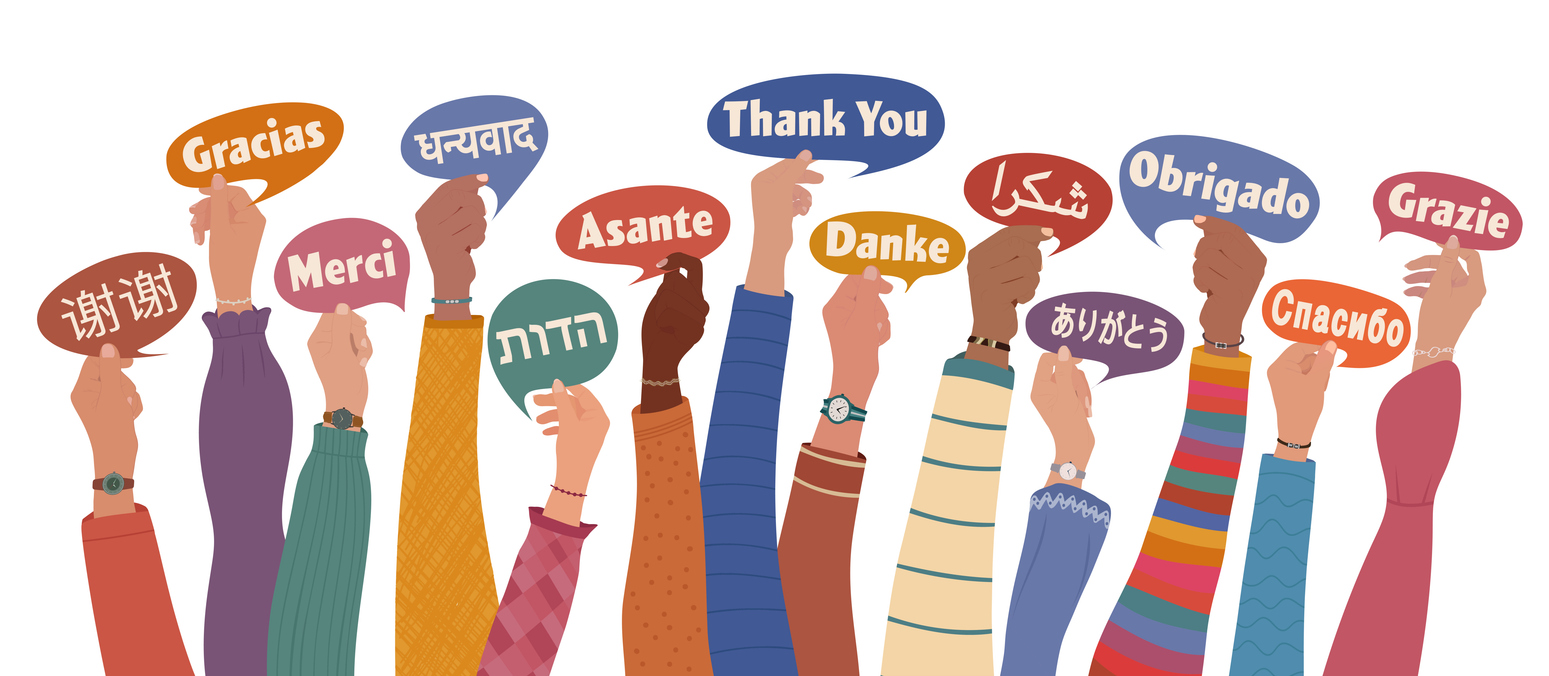
The language barrier in school communication
In many school districts, 20-40% of families speak a language other than English at home. Yet most school communication is only available in English. Websites, handbooks, newsletters, phone systems. At best, English and Spanish.
This isn't just an inconvenience. It's a barrier that directly affects student outcomes. Families who can't access school information are less likely to attend events, meet deadlines, or advocate for their children.
Translation isn't enough
Many schools try to solve this by translating the handbook into the top 3-4 languages in the district. It's a good start, but it has real limitations:
- It's expensive and slow to update
- It covers only a few languages, leaving many families out
- Translated documents are static. Parents can't ask follow-up questions.
- It doesn't help with real-time communication like schedule changes or emergencies
Conversational AI changes the equation
A parent texts a question in Mandarin, Arabic, Haitian Creole, or Tagalog. They get an accurate answer in seconds, sourced from the school's actual documents.
No waiting for translation. No asking a bilingual friend to interpret. No giving up because the information feels inaccessible. The parent asks in their language and gets an answer in their language.
What schools can do today
Language equity in school communication isn't a distant goal. AnswerQuest makes it possible right now. Text, chat, WhatsApp, and voice. Over 50 languages. 24 hours a day.
The parent who speaks Vietnamese gets the same quality answer as the parent who speaks English. That's what equity looks like in practice.